
Buying · 8 min read
Buying climbing shoes online in Canada
Online shopping can expose more sizes and more retailers than a local shelf, but it removes the chance to try a shoe on before paying. The safest process is to reduce uncertainty in stages: identify the exact model, compare the retailer's size chart, confirm the landed cost, and protect your return option. A deal tracker can shorten the search, but it cannot replace those final checks.
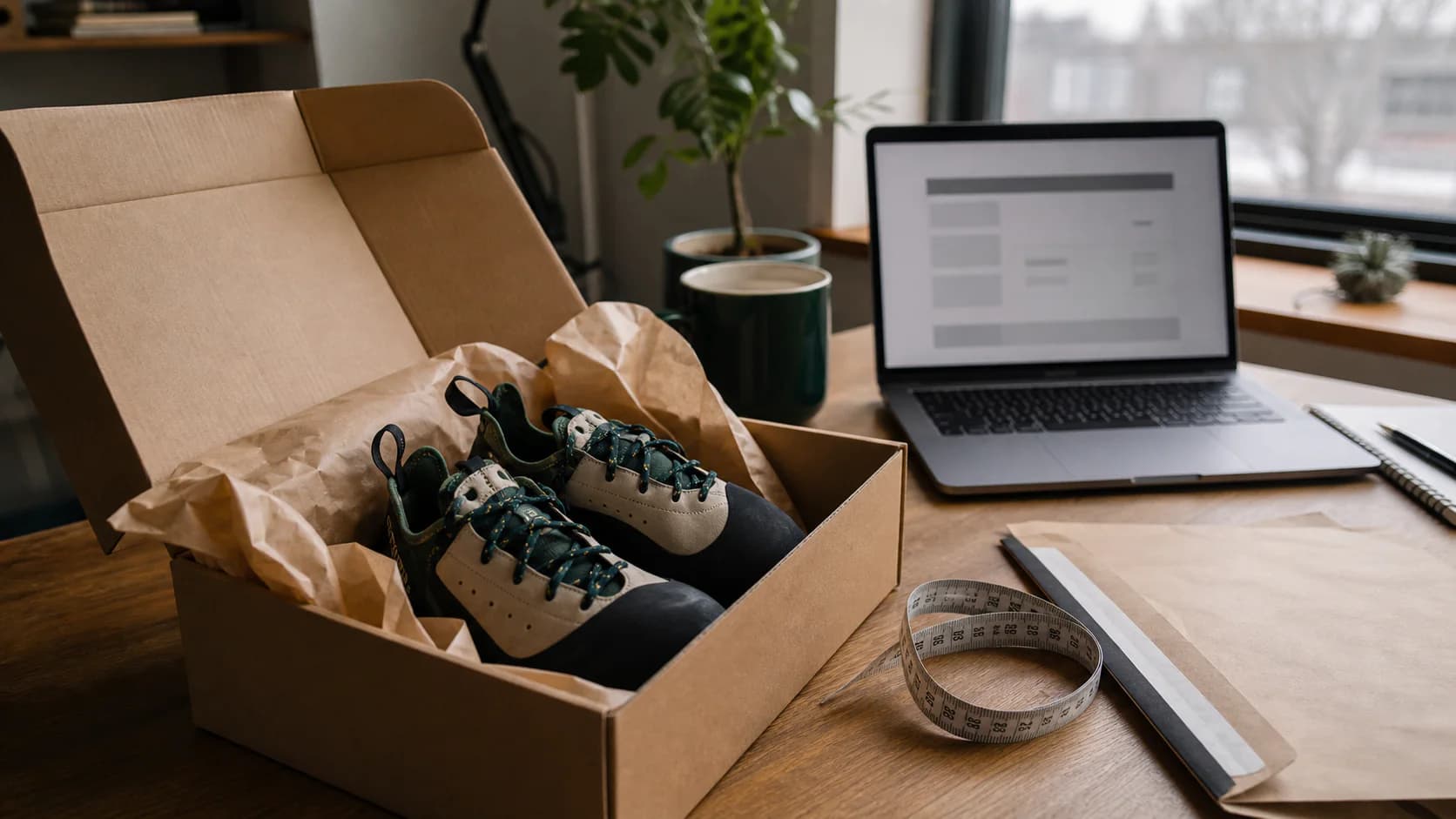
Confirm the exact product before comparing prices
Climbing brands reuse model names across generations, closures, and colourways. Read the full title and product details rather than comparing only a short model label. A shoe with the same family name can have a different upper or rubber compound, and a close-looking image can hide a women's or low-volume version. Save the retailer URL and note the date you checked it.
BaiBeta groups closely related retailer listings to make comparison easier, and it shows the underlying store offers when available. Grouping is a convenience, not a guarantee that every variant is interchangeable. Open each offer to confirm the model, size, colour, and return terms before checkout.
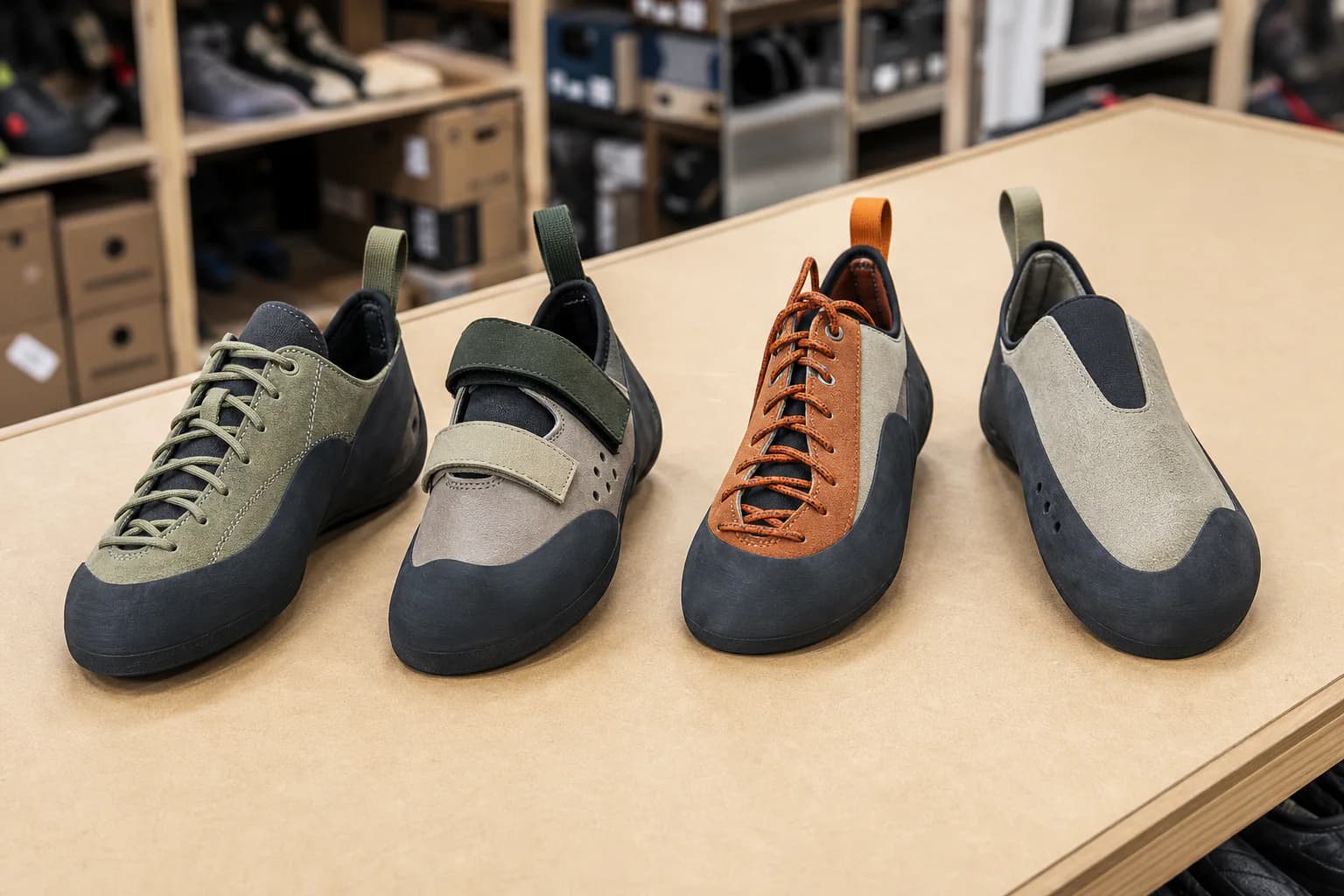
Calculate the landed cost
A Canadian price comparison should include shipping, taxes, and any duties or brokerage that may apply. Retailers can change free-shipping thresholds and regional exclusions. If the store lists prices in a currency other than CAD, use its checkout total instead of relying on a rough exchange-rate conversion. A percentage discount is only a useful signal when the regular price and final cost are clear.
Check whether the item is final sale, clearance, or excluded from promotions. A pair that is discounted because only one unusual size remains may not be useful for your foot. Treat stock as time-sensitive: the listing feed is refreshed periodically, while the retailer's live cart is the source of truth.
Protect your return option
Read the return window, condition requirements, and return-shipping policy before ordering. Try indoor only on a clean surface and keep packaging until the fit is settled. If a retailer requires a return authorization, request it promptly. When you are unsure between two sizes, the retailer's exchange policy can be more important than a small price difference.
For local support, a climbing shop can often provide fit advice that a product page cannot. Online comparison works best when it complements that knowledge: use it to find availability and price, then use the retailer or shop to verify fit and after-sale support.
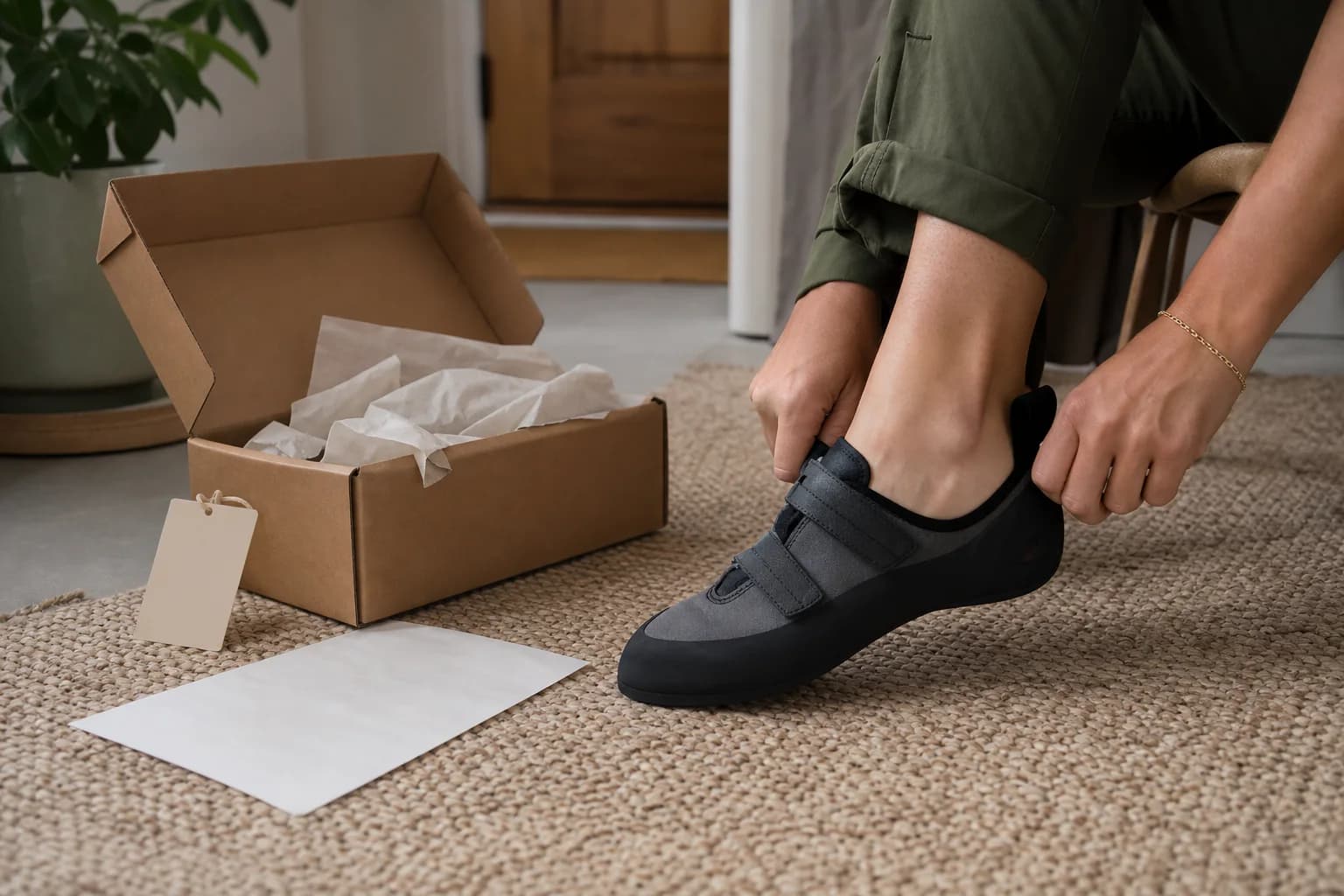
Use local knowledge when it is available
A Canadian climbing shop can answer questions that a product page cannot: whether a particular brand runs narrow, how a current generation differs from an older one, and which rubber or closure is most forgiving for your use. If you have access to a local fitter, take the name and size they recommend and then compare legitimate online offers. That approach supports the shop's expertise while still giving you price visibility.
For remote or rural climbers, ask the retailer whether an exchange can be processed from your province and who pays return shipping. Keep the order confirmation, tracking number, and photos of the unused pair. If the package arrives with a visible problem, report it before wearing the shoes. Clear records make a return less stressful and help distinguish a shipping issue from a fit decision.
If you choose pickup, confirm that the pickup location has the same return rules as the online warehouse. A store may display a product as available while the specific location has no pair to try. Treat a pickup reservation as a convenience, not as proof that every size is currently on the shelf.
A Canada-specific order checklist
Before ordering, write down the displayed currency, shipping charge, tax estimate, delivery province, return deadline, and whether duties or brokerage are possible. Compare that landed total with at least one Canadian alternative. The result may still favour an international retailer, but the reason will be visible rather than hidden inside checkout.
Also check the estimated delivery date against your climbing calendar. A pair needed for a trip should not depend on an optimistic estimate or a return exchange that has only a few days of margin. If delivery is time-sensitive, a local alternative with a slightly higher price may be the more practical purchase.
Keep in mind that provincial taxes and remote-delivery surcharges can be added late in checkout. A retailer's help page may describe a general policy while the cart applies a location-specific exception. Read the final total on the payment step and keep the confirmation email until the return period has passed.
If a retailer uses a separate marketplace seller, check who actually ships the shoe and who handles the return. Marketplace terms can differ from the main store's policy even when the page uses the same branding. That detail is easy to miss when the headline price is lower.
- Verify the exact model, closure, gender or volume version, and colourway.
- Confirm your size in the retailer's own chart and check the selector at checkout.
- Save the product page and policy links because a promotion can end before delivery.